
Are Electric Toothbrushes Better Than Manual?
Choosing the right toothbrush may seem simple, but it can make a meaningful difference in your oral health. Many patients wonder whether an electric toothbrush is truly better than a manual toothbrush—or if good brushing technique matters more than the tool itself.
At OC Dental Center in Santa Ana, we often explain that both electric and manual toothbrushes can clean effectively when used properly. However, electric toothbrushes may offer helpful advantages for certain patients, especially those who struggle with plaque control, gum health, or brushing consistency.
Why Toothbrushing Matters
Brushing removes plaque, a sticky film of bacteria that forms on teeth throughout the day. If plaque is not removed regularly, it can contribute to cavities, tartar buildup, bad breath, and gum inflammation [1].
Daily brushing is one of the most important habits for preventing dental problems and protecting your smile between dental visits.
Manual Toothbrushes: Simple and Effective
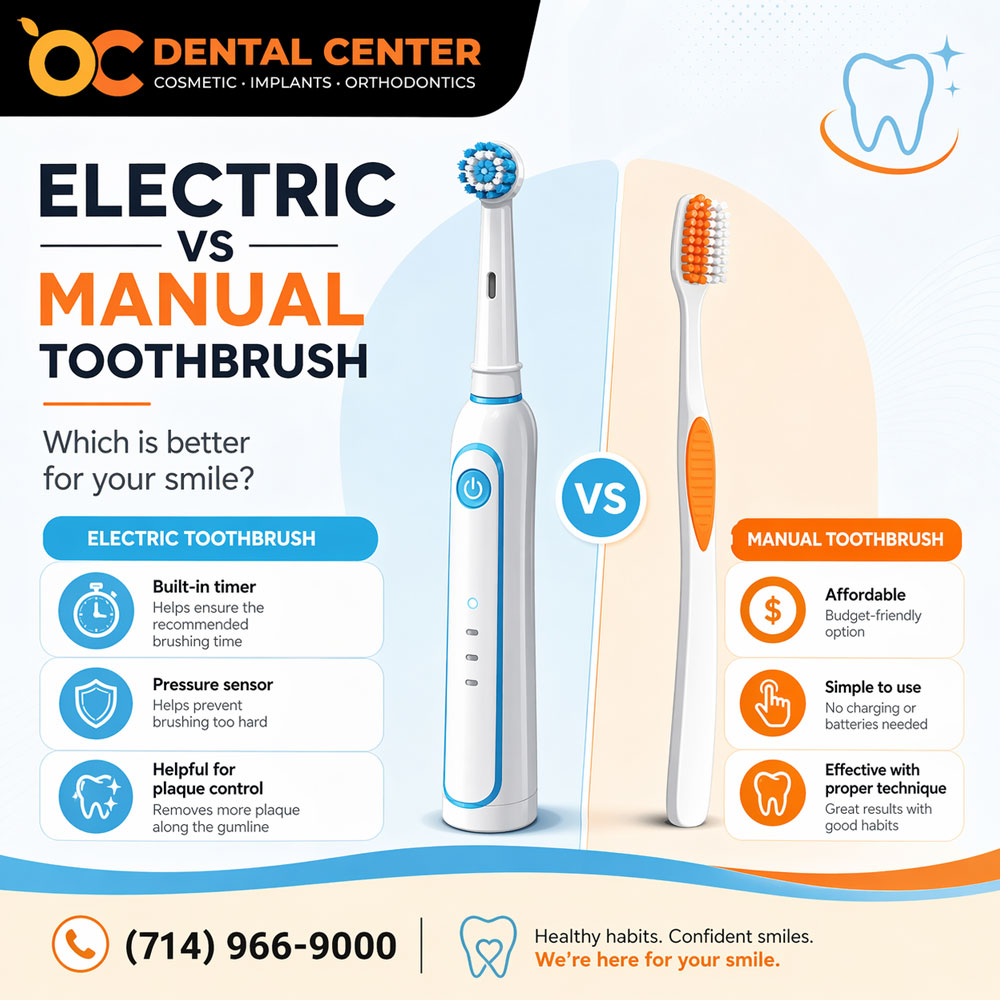
Manual toothbrushes have been used successfully for generations. They are affordable, easy to find, and effective when paired with proper brushing technique.
Benefits of Manual Toothbrushes
- Affordable and widely available
- Easy to travel with
- No charging or batteries required
- Available in many shapes, sizes, and bristle textures
For many patients, a soft-bristled manual toothbrush used correctly can do a great job cleaning teeth and gums.
Electric Toothbrushes: Helpful Technology for Better Consistency
Electric toothbrushes use powered movement, such as oscillating, rotating, or sonic vibrations, to help remove plaque. Many models also include built-in timers, pressure sensors, and brushing modes.
Benefits of Electric Toothbrushes
- May remove more plaque for some patients
- Built-in timers help brush for the recommended time
- Pressure sensors can reduce aggressive brushing
- Helpful for patients with limited dexterity
- Can improve brushing consistency
These features can make electric toothbrushes especially useful for patients who brush too quickly, press too hard, or miss certain areas.
Which Toothbrush Removes More Plaque?
Research suggests that powered toothbrushes may reduce plaque and gingivitis more effectively than manual toothbrushes over time, especially when used consistently [2].
However, the difference depends heavily on technique. A manual toothbrush used carefully can still be effective, while an electric toothbrush used inconsistently will not provide ideal results.
Electric vs Manual Toothbrush: Key Differences
| Feature | Electric Toothbrush | Manual Toothbrush |
|---|---|---|
| Plaque Removal | May be more effective for some patients | Effective with proper technique |
| Ease of Use | Does much of the motion for you | Requires more technique |
| Cost | Higher upfront cost | Lower cost |
| Built-In Timer | Often included | Not included |
| Pressure Control | Some models include sensors | Depends on user awareness |
Ready for a confident, healthy smile?
Located in Santa Ana California
Who May Benefit Most from an Electric Toothbrush?
While anyone can use an electric toothbrush, some patients may benefit more from the added features.
- Patients with gingivitis or plaque buildup
- People who brush too aggressively
- Patients with braces or orthodontic appliances
- People with limited hand mobility
- Children or adults who need help brushing for a full two minutes
If you are unsure which toothbrush is best for you, your dental team can provide personalized recommendations based on your oral health.
Does Brushing Technique Still Matter?
Yes. Even the best toothbrush cannot make up for poor technique. Whether you use electric or manual, brushing should be gentle, thorough, and consistent.
Better Brushing Tips
- Brush twice daily for two minutes
- Use fluoride toothpaste
- Use a soft-bristled brush head
- Angle the bristles toward the gumline
- Clean all tooth surfaces, including the back teeth
- Replace the brush or brush head every 3–4 months
Can Brushing Too Hard Damage Your Teeth?
Yes. Brushing too aggressively can contribute to gum recession, enamel wear, and tooth sensitivity. This can happen with both manual and electric toothbrushes.
If your toothbrush bristles look flattened or frayed quickly, you may be brushing too hard. An electric toothbrush with a pressure sensor may help reduce this habit.
What About Children?
Electric toothbrushes can be helpful for children because timers and fun designs may encourage better brushing habits. However, children still need supervision and guidance to make sure they clean thoroughly and do not swallow toothpaste.
Your dentist can help recommend age-appropriate brushing tools for your child.
Manual Toothbrushes Are Still a Good Option
A manual toothbrush is not “bad” or outdated. For patients who brush carefully, floss daily, and keep regular dental visits, a manual toothbrush can be a practical and effective choice.
The best toothbrush is one you will use consistently and correctly.
When to Ask Your Dentist for Help
If you notice plaque buildup, bleeding gums, tooth sensitivity, or frequent cavities despite regular brushing, it may be time to review your brushing technique and tools.
At OC Dental Center in Santa Ana, we can evaluate your teeth and gums and recommend a toothbrush and routine that fits your needs.
Final Thoughts
Electric toothbrushes may offer advantages for plaque removal, consistency, timing, and pressure control, but manual toothbrushes can still be effective with proper technique. The right choice depends on your habits, oral health, comfort, and budget.
If you want to improve your brushing routine, our Santa Ana dental team is here to help you choose the tools and techniques that best protect your smile.
References
- American Dental Association. “Toothbrushes.”
- Cochrane Oral Health. “Powered versus manual toothbrushing for oral health.”
- Cleveland Clinic. “How to Brush Your Teeth.”
- NHS. “How to Keep Your Teeth Clean.”
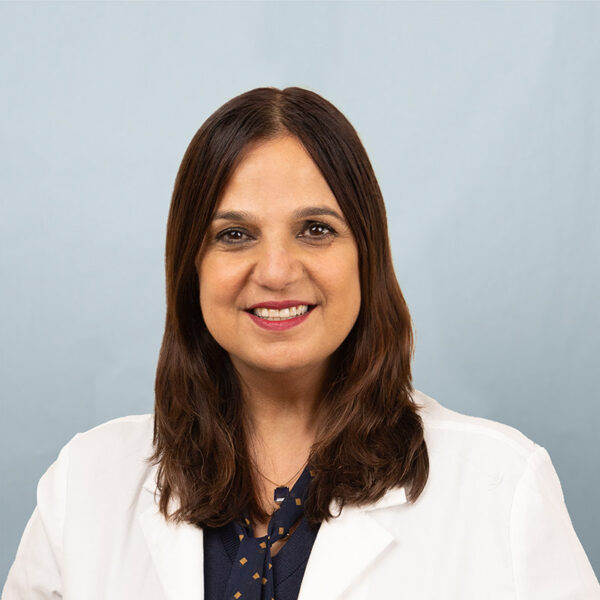
AUTHOR BIO: Dr. Pooneh Sabo D.D.S
Dr. Pooneh Sabo is a comprehensive cosmetic and functional dentist and founder of OC Dental Center in Orange County, California. With over two decades of clinical experience, she specializes in oral care ingredient safety, cosmetic dentistry, whitening technologies, and minimally invasive treatment focused on preserving natural tooth structure and long-term oral health.