
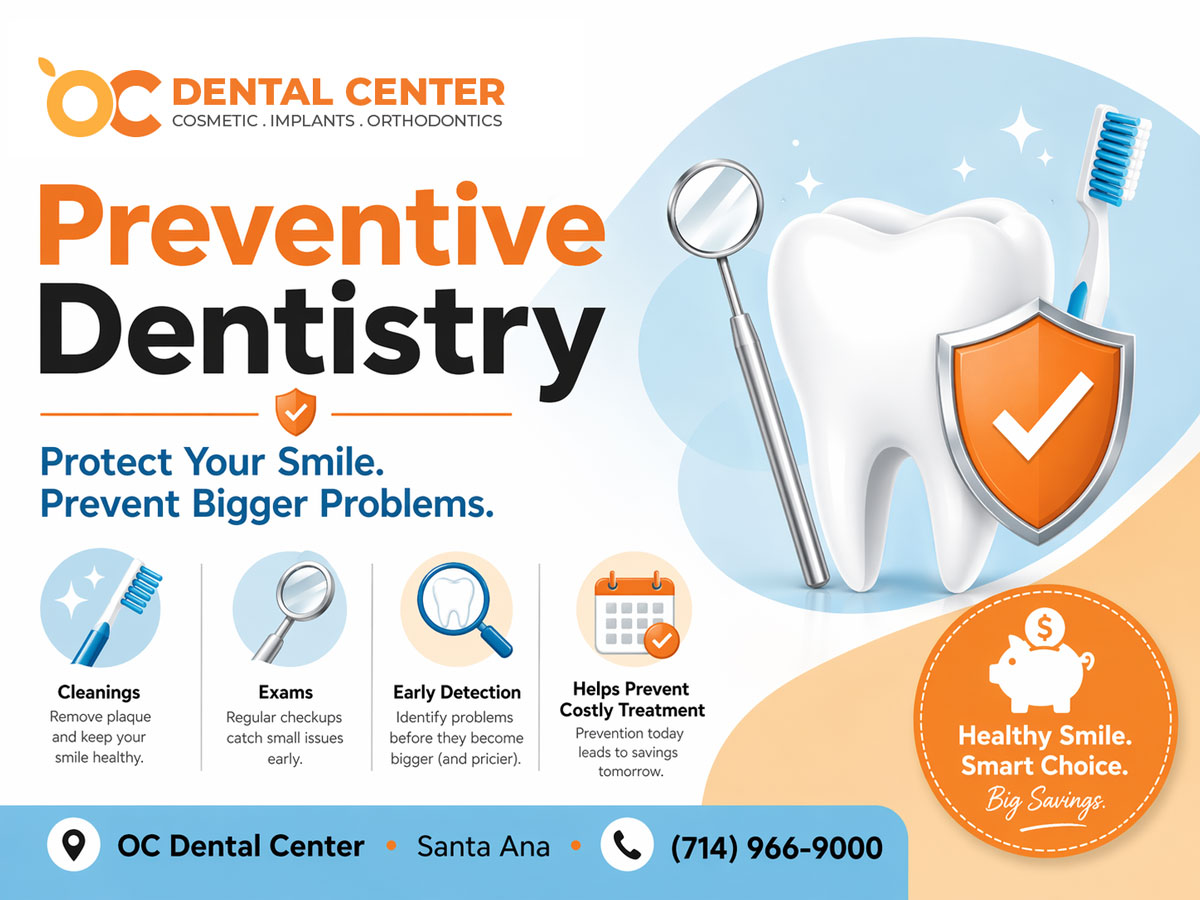
What Is Preventive Dentistry and Why It Saves You Money
Preventive dentistry is one of the most valuable investments you can make in your oral health. Instead of waiting for pain, infection, or tooth damage to occur, preventive care focuses on catching problems early—or stopping them before they start.
At OC Dental Center in Santa Ana, we believe prevention is the foundation of long-term dental health. Routine exams, cleanings, X-rays when needed, and patient education can help reduce your risk of cavities, gum disease, dental emergencies, and more expensive treatment later.
What Is Preventive Dentistry?
Preventive dentistry includes the services and habits that help keep your teeth, gums, and mouth healthy. The goal is to identify risk factors early and maintain your oral health before serious problems develop [1].
Common examples of preventive dentistry include:
- Routine dental exams
- Professional dental cleanings
- Digital X-rays when needed
- Fluoride treatments
- Dental sealants for cavity prevention
- Oral hygiene instruction
- Gum health evaluations
Preventive care works best when professional dental visits are combined with consistent home care.
Why Preventive Dentistry Matters
Many dental issues begin quietly. Cavities, gum disease, cracked teeth, and enamel erosion may not cause pain in the early stages. By the time discomfort appears, the problem may already require more complex treatment.
Preventive dentistry helps detect these issues early, when treatment is often simpler, more conservative, and less costly.
How Preventive Dentistry Saves You Money
One of the biggest benefits of preventive care is avoiding expensive dental problems. Small issues are usually easier and less costly to treat than advanced ones.
Small Cavity vs. Root Canal
A small cavity can often be treated with a simple filling. If ignored, decay can reach the nerve and require a root canal and crown.
Gingivitis vs. Advanced Gum Disease
Early gum inflammation may be reversible with professional cleaning and better home care. Advanced periodontal disease may require deep cleanings, ongoing maintenance, and treatment for bone loss.
Minor Crack vs. Tooth Loss
A small crack may be protected with bonding or a crown. If it worsens, the tooth may become infected or need extraction.
Preventive care helps reduce the likelihood of these costly progressions.
What Happens During a Preventive Dental Visit?
A preventive dental visit is designed to evaluate your overall oral health and remove buildup that can lead to disease.
Dental Exam
Your dentist checks for cavities, cracks, gum issues, bite problems, and signs of oral health changes.
Professional Cleaning
A hygienist removes plaque and tartar that brushing and flossing cannot remove at home.
Gum Health Check
Your dental team may measure gum pocket depths and check for bleeding, swelling, or recession.
X-Rays When Needed
Digital X-rays help detect hidden cavities, bone loss, infections, and other issues not visible during a visual exam.
Ready for a confident, healthy smile?
Located in Santa Ana California
Preventive Dentistry at Home
Dental prevention does not only happen in the dental office. Your daily habits play a major role in protecting your teeth and gums.
Brush Twice Daily
Use fluoride toothpaste and a soft-bristled toothbrush to remove plaque and strengthen enamel.
Floss Every Day
Flossing removes plaque between teeth where toothbrush bristles cannot reach.
Limit Sugary and Acidic Foods
Frequent sugar and acid exposure increases the risk of cavities and enamel erosion.
Stay Hydrated
Water helps rinse away food particles and supports saliva, which naturally helps protect teeth.
Who Benefits Most from Preventive Dentistry?
Everyone benefits from prevention, but it is especially important for patients who have higher risk factors, including:
- A history of frequent cavities
- Gum disease or bleeding gums
- Dry mouth
- Teeth grinding or clenching
- Existing crowns, bridges, implants, or orthodontic treatment
- Medical conditions such as diabetes
Your dentist may recommend a more customized prevention schedule based on your individual risk.
How Often Should You Schedule Preventive Dental Care?
Many patients do well with a dental exam and cleaning every six months. However, some patients need visits every three to four months, especially if they have gum disease, heavy tartar buildup, or higher cavity risk [2].
The best schedule is based on your oral health, not a one-size-fits-all rule.
Preventive Dentistry and Overall Health
Oral health is connected to overall wellness. Gum disease has been associated with systemic conditions such as diabetes and cardiovascular disease, making preventive dental care an important part of whole-body health [3].
Keeping your mouth healthy may help reduce inflammation, improve comfort, and support better long-term wellness.
When to See a Dentist in Santa Ana
If it has been more than six months since your last dental visit—or if you have symptoms like bleeding gums, sensitivity, bad breath, or tooth pain—it is a good time to schedule an exam.
At OC Dental Center, we focus on prevention, early diagnosis, and conservative treatment whenever possible. Our goal is to help you avoid unnecessary dental problems and maintain a healthy smile for years to come.
Final Thoughts
Preventive dentistry saves money by helping you avoid bigger dental problems before they happen. Regular cleanings, exams, X-rays when needed, and strong home care can reduce your risk of cavities, gum disease, tooth loss, and dental emergencies.
If you’re looking for preventive dental care in Santa Ana, our team is here to help you protect your smile with personalized, proactive care.
References
- American Dental Association. “Preventive Dental Care and Oral Health.”
- National Institute of Dental and Craniofacial Research. “Oral Hygiene and Dental Health.”
- Cleveland Clinic. “Oral Health and Overall Health.”
- NHS. “Dental Check-ups and Preventive Care.”
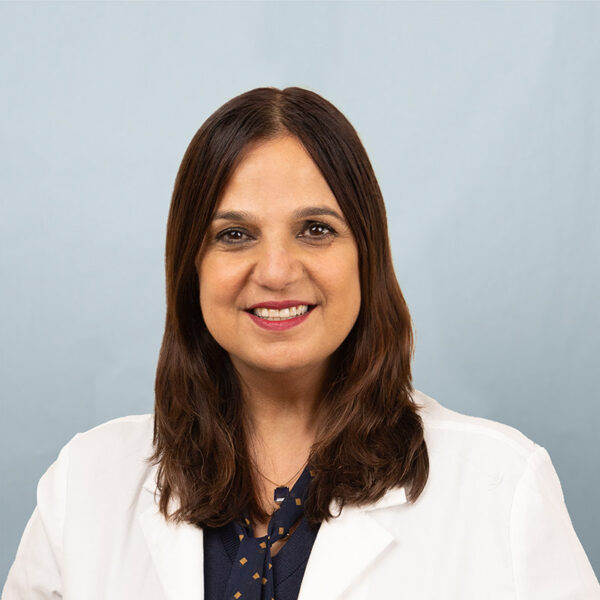
AUTHOR BIO: Dr. Pooneh Sabo D.D.S
Dr. Pooneh Sabo is a comprehensive cosmetic and functional dentist and founder of OC Dental Center in Orange County, California. With over two decades of clinical experience, she specializes in oral care ingredient safety, cosmetic dentistry, whitening technologies, and minimally invasive treatment focused on preserving natural tooth structure and long-term oral health.