
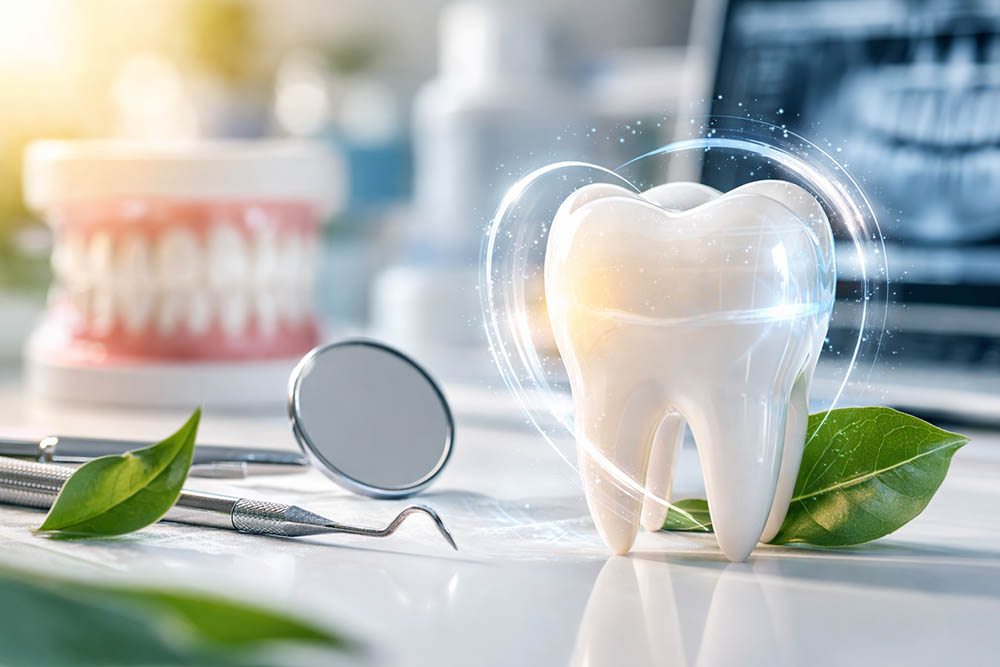
Why Preserving Natural Tooth Structure Is the Future of Dentistry
Modern dentistry has come a long way. Today’s patients benefit from stronger restorative materials, better imaging, and more precise treatment than ever before. But one of the most important shifts in dental care is not just about better technology—it is about better philosophy.
More dentists are moving away from an “intervene later” approach and toward a model centered on preservation, prevention, and long-term function. In other words, the future of dentistry is not simply about repairing teeth. It is about protecting natural tooth structure for as long as possible.
Why natural tooth structure matters
Your natural enamel and dentin are incredibly important. Enamel is the hardest substance in the human body, but once it is lost, the body cannot grow it back on its own.1 That is one reason preservation matters so much. Every time a tooth requires drilling, cutting, or reshaping, a small amount of natural structure is permanently removed.
Even when a restoration is done beautifully, no filling, crown, or veneer fully duplicates the exact biology and biomechanics of a healthy natural tooth. Modern materials can perform extremely well, but preserving sound enamel and dentin still gives patients the best foundation for long-term oral health.1
The shift toward minimally invasive dentistry
Traditional dental treatment often focused on restoring damage after it became more advanced. Today, a more conservative approach is possible. With early diagnosis, preventive care, and adhesive techniques, dentists can often treat problems sooner and preserve more healthy tooth structure in the process.2,3
Adhesive dentistry has been especially important in this shift. Instead of relying only on mechanical retention that may require more removal of healthy tooth tissue, modern bonding systems allow restorations to be placed more conservatively.2,3 That means treatment can often be designed to reinforce what remains instead of removing more than necessary.
Preservation supports long-term strength
Each tooth has a natural structural design. When more healthy tooth structure is maintained, the tooth is often better able to handle daily chewing forces over time. This is why preserving enamel, protecting cusps when possible, and avoiding unnecessary reduction can play such an important role in the long-term success of dental treatment.
Preservation also gives patients more options in the future. The more natural structure a tooth keeps today, the more flexibility there may be if that tooth ever needs additional care later on.
Modern dentistry is about more than cavities
Biologically conscious dentistry also recognizes that oral health is influenced by more than visible decay alone. A patient may have structural breakdown related to grinding, bite imbalance, dry mouth, acidic conditions, or a disrupted oral microbiome. These factors can affect enamel integrity, demineralization risk, inflammation, and even the long-term durability of restorations.2,4
That means good dental care is not just about fixing what is broken. It is also about identifying why a problem is happening in the first place.
Ready for a confident, healthy smile?
Located in Santa Ana California
The role of prevention in preserving teeth
Preventive dentistry is one of the best ways to protect natural tooth structure. Regular exams, professional cleanings, digital imaging, and early monitoring can help detect changes before they turn into larger problems. Small areas of demineralization or early wear may sometimes be managed with conservative strategies before more invasive treatment is needed.
Preventive care may also include reviewing home care habits, evaluating dry mouth, discussing acidic foods and beverages, checking for clenching or grinding, and helping patients choose products that support enamel health and microbial balance. A balanced oral environment matters because the oral microbiome plays a major role in both dental caries and periodontal health.4,5
Patient education is part of modern dental care
Another reason preservation-focused dentistry is the future is that patients are more informed and more involved in their healthcare decisions. They want to understand why treatment is recommended, what their alternatives are, and how they can avoid bigger problems later.
When patients understand that early treatment often means less drilling, less removal of healthy structure, and better long-term protection, they are often more motivated to stay proactive. Dentistry works best when it is not only reactive, but educational and preventive.
What this means for patients at OC Dental Center of Santa Ana
At OC Dental Center of Santa Ana, preserving natural tooth structure whenever possible is an important part of delivering thoughtful, modern care. That means looking beyond short-term fixes and focusing on treatment plans that support long-term function, comfort, and oral health.
In many cases, the best dentistry is the dentistry that helps patients keep more of what nature gave them. By combining early diagnosis, preventive care, and conservative restorative techniques, modern dentistry can do more than repair damage—it can help protect the natural strength and integrity of the smile for years to come.
References
- Jayasudha, Baswaraj, Navin HK, Prasanna KB. Enamel Regeneration – Current Progress and Challenges. J Clin Diagn Res. 2014;8(9):ZE06-ZE09.
- Alomran WK, Nizami MZI, Xu HHK, Sun J. Evolution of Dental Resin Adhesives—A Comprehensive Review. J Funct Biomater. 2025;16(3):104.
- Stevens CD. Adhesive Dentistry: Changing Restorative Treatment for the Better. Compend Contin Educ Dent. 2019;40(9):616-617.
- Rajasekaran JJ, Krishnamurthy HK, Bosco J, et al. Oral Microbiome: A Review of Its Impact on Oral and Systemic Health. Microorganisms. 2024;12(9):1797.
- Moutsopoulos NM, Konkel J, Sarmadi M, et al. The oral microbiome and the immunobiology of periodontal disease and caries. Immunol Rev. 2015;263(1):55-69.
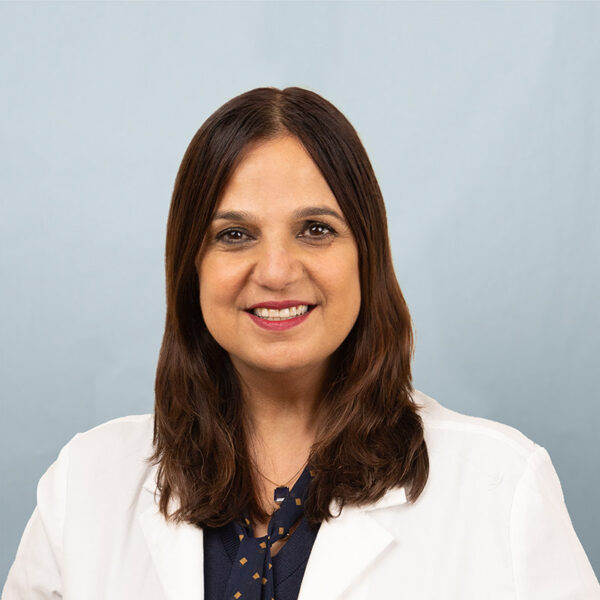
AUTHOR BIO: Dr. Pooneh Sabo D.D.S
Dr. Pooneh Sabo is a comprehensive cosmetic and functional dentist and founder of OC Dental Center in Orange County, California. With over two decades of clinical experience, she specializes in oral care ingredient safety, cosmetic dentistry, whitening technologies, and minimally invasive treatment focused on preserving natural tooth structure and long-term oral health.
