
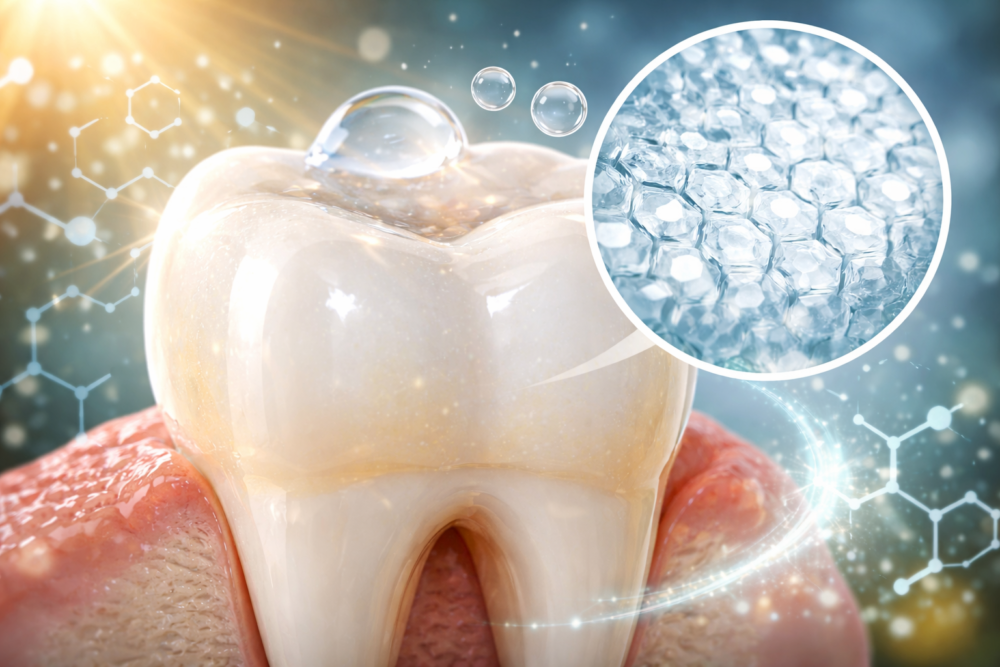
Tooth whitening has become one of the most requested cosmetic dental procedures worldwide. Advances in whitening technology have made it more accessible than ever, with professional treatments, over-the-counter products, and direct-to-consumer systems widely available. While whitening can be performed safely and effectively under proper supervision, increasing frequency of use and unsupervised application have raised concerns about long-term effects on enamel integrity and tooth sensitivity.
Ready for a confident, healthy smile?
Located in Santa Ana California
Enamel is the most highly mineralized tissue in the human body, yet it is not capable of regeneration once structurally compromised. Whitening agents, primarily peroxide-based compounds, function by penetrating enamel and oxidizing chromogenic molecules within the tooth structure. When used appropriately, this process can improve tooth color without permanent structural damage. However, excessive frequency, improper concentrations, or prolonged exposure can contribute to enamel surface changes and increased permeability.
One of the most common clinical consequences of over-whitening is dentinal hypersensitivity. This occurs when whitening agents diffuse through enamel and dentin, stimulating pulpal nerve responses. While sensitivity is often temporary, repeated or excessive exposure can exacerbate discomfort and reduce patient tolerance for necessary preventive or restorative care.
Another concern is the cumulative impact of repeated whitening combined with abrasive oral care products. Many patients simultaneously use whitening toothpastes, acidic beverages, and mechanical brushing forces that collectively contribute to gradual enamel thinning. Over time, this combination can increase the risk of dentin exposure, structural weakening, and aesthetic concerns such as uneven coloration.
Patients are often influenced by social media trends and cosmetic expectations that promote frequent whitening without adequate understanding of biological limitations. The desire for increasingly brighter tooth shades can lead to repeated treatments that exceed what is necessary or biologically advisable. This highlights the importance of dentist supervision and patient education in maintaining safe and appropriate whitening protocols.
Professional guidance allows clinicians to evaluate baseline enamel thickness, identify pre-existing sensitivity, and recommend whitening regimens that minimize risk while achieving aesthetic goals. Equally important is ensuring adequate intervals between treatments and recommending remineralization strategies to support enamel recovery and stability.
Modern dentistry increasingly emphasizes preservation of natural tooth structure as the foundation of long-term oral health. Cosmetic treatments should enhance appearance while maintaining biological integrity. Whitening, when performed responsibly, can be a valuable and safe procedure. However, clinicians must remain vigilant in educating patients about appropriate use, potential risks, and the importance of enamel preservation.
As cosmetic dentistry continues to grow in popularity, the role of the dentist extends beyond performing procedures to guiding patients toward safe, evidence-based decisions. Protecting enamel while achieving aesthetic improvement ensures that cosmetic enhancements do not compromise the long-term health and function of the dentition.

AUTHOR BIO: Dr. Pooneh Sabo D.D.S
Dr. Pooneh Sabo is a comprehensive cosmetic and functional dentist and founder of OC Dental Center in Orange County, California. With over two decades of clinical experience, she specializes in oral care ingredient safety, cosmetic dentistry, whitening technologies, and minimally invasive treatment focused on preserving natural tooth structure and long-term oral health.
