
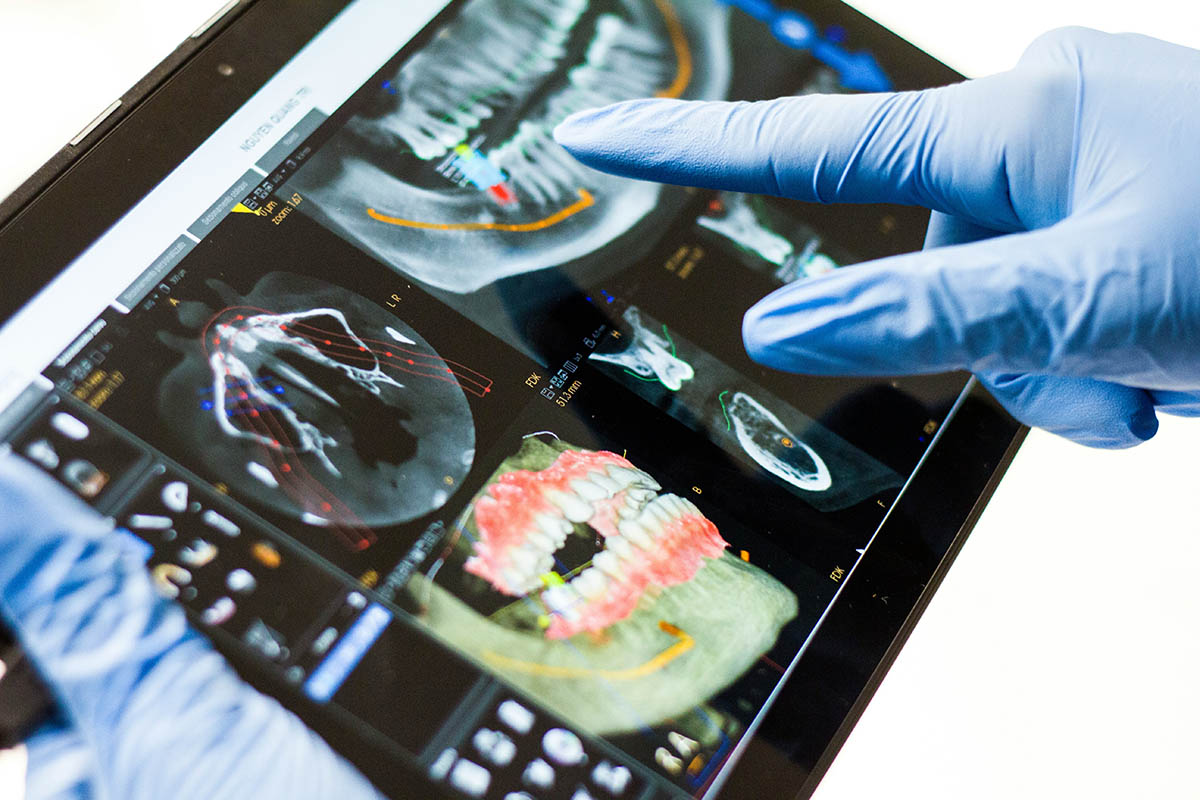
Modern dentistry has made extraordinary advances in restorative materials, cosmetic techniques, and diagnostic technology. However, alongside these innovations, there has been a growing recognition that the long-term success of dental treatment depends not only on technical excellence, but on preservation of natural tooth structure and respect for the biological integrity of the oral environment.
Traditional dental models often focused on intervention after disease progression—restoring damage once it occurred. Today, there is a significant shift toward functional and biologically conscious dentistry, which emphasizes early diagnosis, prevention, and minimally invasive treatment to preserve natural teeth for as long as possible.
Ready for a confident, healthy smile?
Located in Santa Ana California
Enamel, once lost, cannot regenerate. Every restorative intervention, even when performed with precision, alters the natural biomechanics of the tooth. While modern materials such as bonded ceramics and advanced composites have significantly improved outcomes, they do not fully replicate the strength, flexibility, and structural properties of natural enamel and dentin. For this reason, preservation of native tooth structure remains the most important predictor of long-term oral health.
Functional dentistry also considers the broader physiological factors that influence oral health, including occlusion, salivary function, airway health, and the oral microbiome. Occlusal instability, parafunctional habits, and chronic inflammatory conditions can contribute to structural breakdown even in the absence of traditional caries. Addressing these contributing factors early can prevent more extensive restorative needs later.
The oral microbiome plays a critical role in maintaining equilibrium between health and disease. Disruption of this balance through chronic dryness, dietary factors, or inappropriate oral care product selection can increase susceptibility to demineralization, gingival inflammation, and tissue breakdown. Preventive strategies that support natural remineralization and microbial balance are increasingly recognized as essential components of comprehensive care.
Advances in adhesive dentistry have allowed clinicians to restore teeth more conservatively than ever before. Adhesive bonding techniques enable preservation of sound tooth structure that would previously have been removed for mechanical retention. This represents a fundamental shift in philosophy—from aggressive preparation toward structural preservation and reinforcement.
Equally important is patient education. Patients who understand the causes of structural breakdown, the importance of early intervention, and the role of preventive care are better equipped to maintain long-term oral health. Dentistry is no longer solely about repairing damage; it is about managing risk, preserving biology, and maintaining structural integrity over time.
As dentistry continues to evolve, the emphasis on functional stability, material biocompatibility, and minimally invasive care reflects a broader commitment to long-term patient health. By prioritizing preservation over intervention, clinicians can improve outcomes, extend the lifespan of natural dentition, and support the overall well-being of their patients.
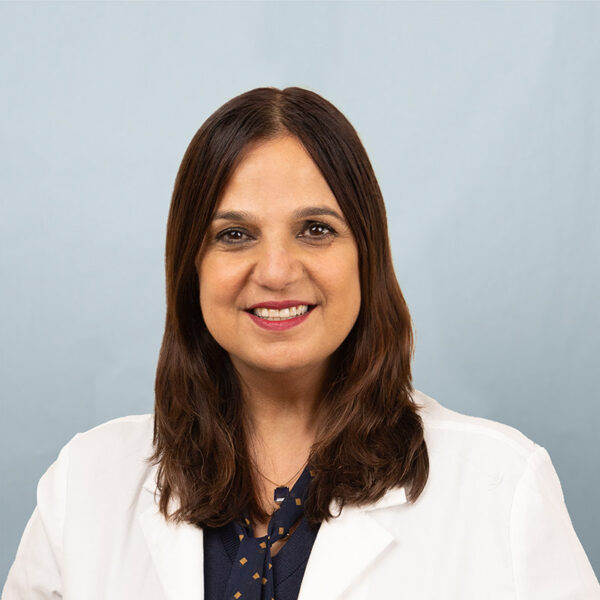
AUTHOR BIO: Dr. Pooneh Sabo D.D.S
Dr. Pooneh Sabo is a comprehensive cosmetic and functional dentist and founder of OC Dental Center in Orange County, California. With over two decades of clinical experience, she specializes in oral care ingredient safety, cosmetic dentistry, whitening technologies, and minimally invasive treatment focused on preserving natural tooth structure and long-term oral health.
