
How the Oral Microbiome Affects Your Overall Health
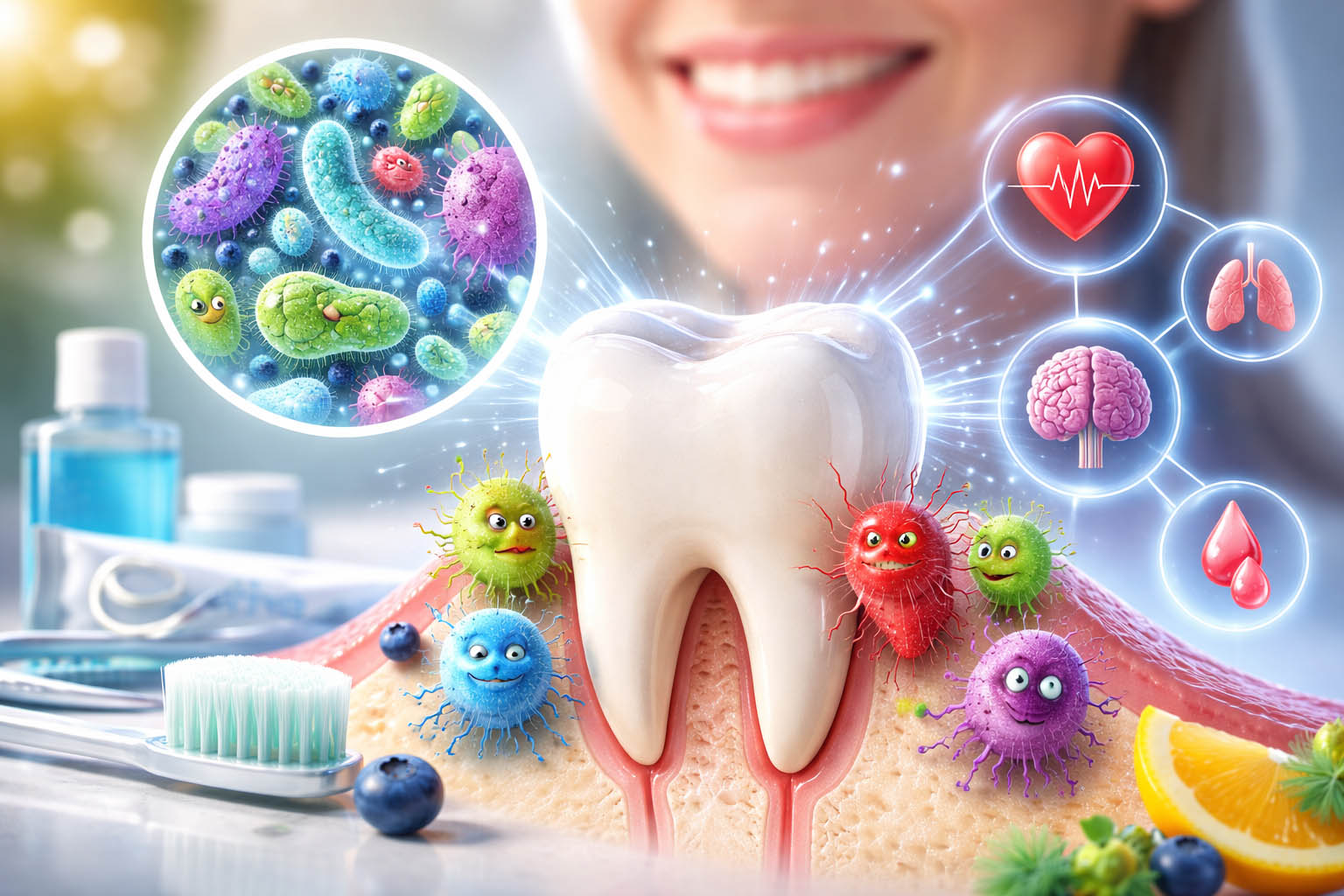
When people think about oral health, they often focus on cavities or gum disease. But inside every healthy mouth exists a complex ecosystem of bacteria known as the oral microbiome. This community of microorganisms plays a crucial role not only in oral health but also in overall health throughout the body.1
Researchers estimate that the mouth contains more than 700 different species of bacteria. Many of these microbes are beneficial and help maintain balance in the oral environment. However, when this balance is disrupted, harmful bacteria can grow more rapidly and contribute to oral disease and systemic inflammation.1,2
What is the oral microbiome?
The oral microbiome refers to the collection of bacteria, fungi, viruses, and other microorganisms that naturally live in the mouth. In a healthy state, these organisms exist in balance and help protect the oral tissues. They interact with saliva, the immune system, and the surfaces of the teeth and gums to maintain stability in the mouth.2
Problems arise when this balance shifts. Changes in diet, oral hygiene habits, dry mouth, illness, or certain medications can allow harmful bacteria to dominate the oral microbiome. When that happens, inflammation and disease can develop more easily.1,3
The connection between oral bacteria and gum disease
One of the most well-known examples of microbiome imbalance occurs in periodontal disease. Harmful bacteria can accumulate along the gumline and trigger inflammation of the gums. If this inflammation progresses, it can damage the tissues and bone that support the teeth.3
Periodontal disease is one of the most common chronic conditions worldwide. The condition is strongly influenced by the bacterial communities present in dental plaque and the body’s immune response to those bacteria.3
How oral health can affect the rest of the body
Because the mouth is connected to the rest of the body through the bloodstream and digestive system, inflammation and bacteria originating in the mouth can potentially influence overall health. Studies have found associations between periodontal disease and several systemic conditions, including cardiovascular disease, diabetes, and respiratory infections.4
These links do not mean oral bacteria directly cause every systemic condition, but they do highlight how closely oral health and overall health are connected.
Factors that can disrupt the oral microbiome
Several common factors can alter the balance of bacteria in the mouth, including:
- Poor oral hygiene
- High sugar or highly acidic diets
- Dry mouth or reduced saliva flow
- Tobacco use
- Chronic inflammation of the gums
- Certain medications or medical conditions
When these factors are present over long periods of time, they may shift the oral microbiome toward bacteria associated with cavities and gum disease.
Ready for a confident, healthy smile?
Located in Santa Ana California
How dentists help maintain a healthy oral microbiome
Dentists play an important role in helping patients maintain a balanced oral microbiome. Preventive care is one of the most effective ways to support a healthy bacterial environment in the mouth.
Professional dental cleanings remove plaque and tartar that cannot be eliminated with brushing and flossing alone. Routine exams also allow dentists to detect early signs of bacterial imbalance before they progress into more serious conditions.3
Daily habits that support oral microbial balance
Patients can also help maintain a healthy oral microbiome with simple daily habits:
- Brushing teeth twice daily with fluoride toothpaste
- Flossing regularly to remove plaque between teeth
- Limiting frequent sugar consumption
- Staying hydrated to support saliva production
- Attending regular dental exams and cleanings
These habits help control the growth of harmful bacteria and allow beneficial microbes to remain dominant in the oral ecosystem.
The future of dentistry and the oral microbiome
As research into the oral microbiome continues, dentistry is increasingly focused on preventive strategies that support microbial balance rather than simply treating disease after it occurs. This includes improved diagnostic tools, more targeted therapies, and patient education about factors that influence bacterial health in the mouth.1,2
What this means for patients at OC Dental Center of Santa Ana
At OC Dental Center of Santa Ana, maintaining a healthy oral microbiome is an important part of long-term preventive dental care. By focusing on early detection, professional cleanings, and personalized oral health recommendations, patients can reduce the risk of gum disease, cavities, and inflammation that may affect both oral and overall health.
Supporting a healthy balance of bacteria in the mouth is one of the most important steps patients can take toward protecting their smiles and their overall well-being.
References
- Human Microbiome Project Consortium. Structure, function and diversity of the healthy human microbiome. Nature. 2012.
- Wade WG. The oral microbiome in health and disease. Pharmacological Research. 2013.
- Hajishengallis G. Periodontitis: from microbial immune subversion to systemic inflammation. Nature Reviews Immunology. 2015.
- Lockhart PB et al. Periodontal disease and systemic health: current status. Journal of the American Dental Association. 2012.

AUTHOR BIO: Dr. Pooneh Sabo D.D.S
Dr. Pooneh Sabo is a comprehensive cosmetic and functional dentist and founder of OC Dental Center in Orange County, California. With over two decades of clinical experience, she specializes in oral care ingredient safety, cosmetic dentistry, whitening technologies, and minimally invasive treatment focused on preserving natural tooth structure and long-term oral health.
