
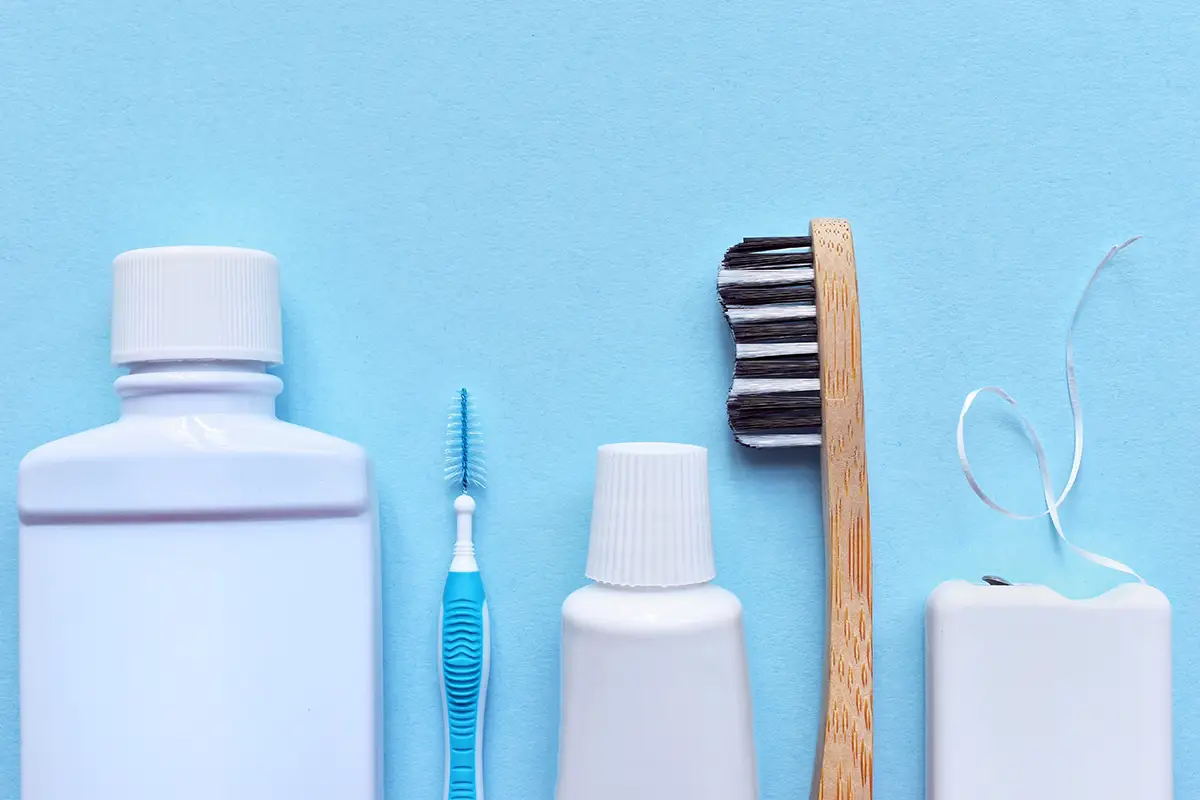
What Most Dentists and Patients Don’t Know About Oral Care Ingredients
As patients become more involved in healthcare decisions, dental professionals are increasingly asked about the ingredients found in everyday oral hygiene products. Social media, online marketing, and product labeling have amplified curiosity—and sometimes confusion—about fluoride alternatives, whitening compounds, desensitizing agents, and antimicrobial rinses.
For clinicians, this shift presents an opportunity. Improving oral health literacy is not simply about explaining procedures; it includes helping patients understand the preventive products they use daily. Clear, evidence-based communication strengthens trust and supports better long-term outcomes.
Ready for a confident, healthy smile?
Located in Santa Ana California
Fluoride and Remineralization
Fluoride remains the gold standard in caries prevention. Its ability to enhance remineralization and inhibit demineralization is supported by decades of research.1 Fluoride promotes fluorapatite formation and reduces enamel solubility in acidic environments, significantly lowering caries risk across populations. While some patients request fluoride-free alternatives, discussions should focus on individualized risk assessment rather than generalized claims.
Xylitol and Cariogenic Bacteria
Xylitol-containing gums and dentifrices are commonly marketed as natural caries-fighting solutions. Research demonstrates that xylitol may reduce levels of mutans streptococci and interfere with bacterial metabolism.2 However, xylitol should be presented as an adjunct—not a replacement—for fluoride therapy.
Desensitizing Agents and Hypersensitivity Management
Dentin hypersensitivity remains a frequent complaint in clinical practice. Potassium nitrate reduces nerve excitability within dentinal tubules.3 Other formulations focus on tubule occlusion using arginine or bioactive glass compounds. Clinicians should set realistic expectations regarding onset of relief and emphasize consistent use.
Antimicrobial Agents in Daily and Therapeutic Use
Chlorhexidine continues to be regarded as a gold standard antimicrobial rinse for gingivitis management.4 Its use should be monitored due to potential staining and taste alteration. Over-the-counter options such as essential oils and cetylpyridinium chloride provide alternatives for long-term plaque control.
Whitening Agents and Abrasivity Considerations
Hydrogen peroxide and carbamide peroxide remain primary whitening agents. Clinical evidence supports their effectiveness when used as directed.5 Clinicians should educate patients on concentration levels, duration of use, and sensitivity management. Abrasive components in whitening toothpaste should be evaluated carefully to avoid enamel wear.
Hydroxyapatite and Emerging Technologies
Hydroxyapatite-based products are increasingly marketed as fluoride alternatives. Early research shows potential benefits, but long-term comparative data remain limited. Recommendations should remain grounded in established evidence.
Strengthening Clinical Communication
Patients often encounter ingredient claims online before consulting a dental professional. Proactively addressing these topics can enhance trust, reduce misinformation, improve compliance, and reinforce the clinician’s role as a primary oral health authority.
References
1. Featherstone JDB. The science and practice of caries prevention. J Am Dent Assoc. 2000;131(7):887-899.
2. Söderling EM. Xylitol, mutans streptococci, and dental plaque. Adv Dent Res. 2009;21(1):74-78.
3. Markowitz K, Pashley DH. Discovering new treatments for sensitive teeth: the long path from biology to therapy. J Oral Rehabil. 2008;35(4):300-315.
4. Jones CG. Chlorhexidine: is it still the gold standard? Periodontol 2000. 1997;15:55-62.
5. Carey CM. Tooth whitening: what we now know. J Evid Based Dent Pract. 2014;14 Suppl:70-76.
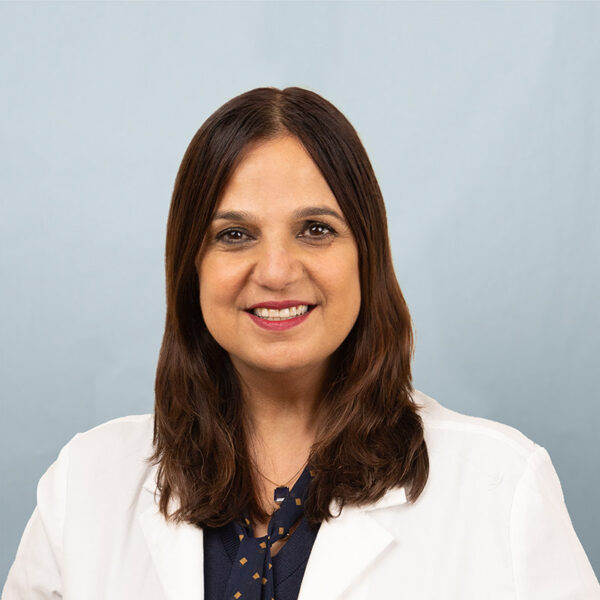
AUTHOR BIO: Dr. Pooneh Sabo D.D.S
Dr. Pooneh Sabo is a comprehensive cosmetic and functional dentist and founder of OC Dental Center in Orange County, California. With over two decades of clinical experience, she specializes in oral care ingredient safety, cosmetic dentistry, whitening technologies, and minimally invasive treatment focused on preserving natural tooth structure and long-term oral health.
