
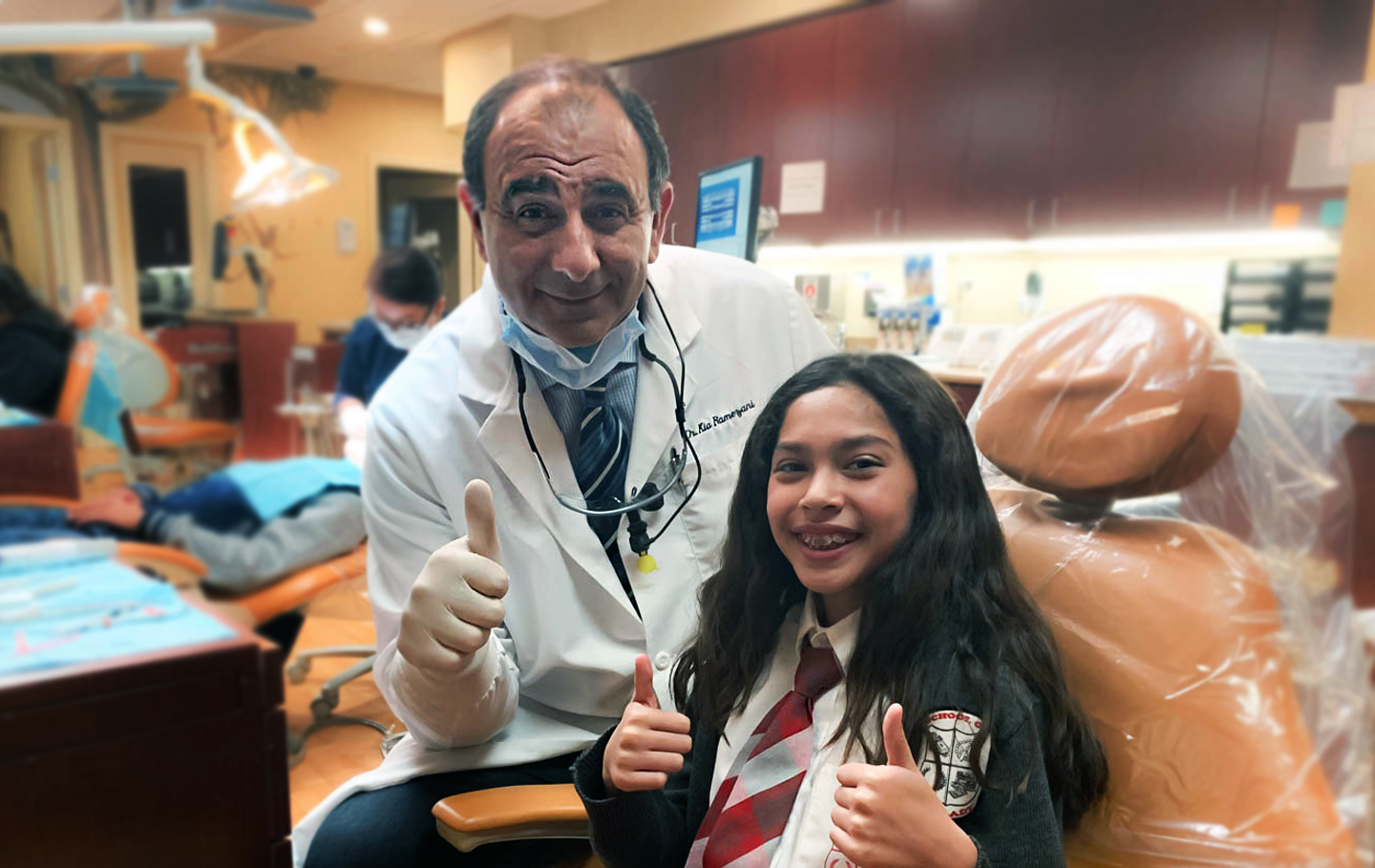
Dental and oral surgery procedures involve more than treating problems inside the mouth. A patient’s medical history, medications, health conditions, and ability to recover safely can influence how care is planned and delivered. Coordination between dental and healthcare professionals matters when a patient’s broader health needs affect treatment.
In settings where registered nurses are part of the clinical team, nursing education can prepare them to contribute within their professional scope. Skills in assessment, clinical observation, communication, and care coordination can support patients before, during, and after oral surgery when dental needs intersect with broader health concerns.
Improving Patient Assessment Before Dental and Oral Surgery Procedures
Preparation for a dental or oral surgery procedure begins with understanding the patient. Medical conditions, previous procedures, allergies, and current medications can provide important information for the clinical team. Nursing education develops assessment skills that help registered nurses gather relevant information and recognize details that may require closer attention.
Medication history can be particularly important before dental or oral surgery procedures. For example, certain medications may be relevant to considerations such as bleeding, healing, or anesthesia planning. Rather than viewing the dental procedure in isolation, nurses are trained to consider how the patient’s wider health circumstances may affect the care being provided.
Assessment also involves asking clear questions and listening carefully to the answers. Patients may forget to mention a health issue because they do not realize it could be relevant to dental treatment. A thorough conversation can help bring important information to the attention of the appropriate clinical professional before a procedure begins.
These skills contribute to better preparation across the care team. Dentists, oral surgeons, nurses, and other professionals can use information identified during assessment to plan care with a clearer understanding of the patient’s overall health circumstances.
Supporting Patient Safety During Oral Surgery Care
Oral surgery can require close attention to a patient’s condition during the procedure and in the period immediately before and after it. In settings where registered nurses are part of the oral surgery or perioperative care team, they can use their education in observation, safety practices, and patient care to contribute to monitoring, communication, and coordinated care within their professional scope.
Clinical observation is one important part of this work. A patient’s condition can change during care, making it important for team members to notice relevant signs and communicate concerns promptly. Nursing education develops familiarity with systematic assessment and the importance of responding appropriately when something appears different from what is expected.
Infection prevention is another area where nursing and dental care share important priorities. Hand hygiene, appropriate protective equipment, environmental practices, and established clinical procedures all contribute to reducing avoidable risks. Nurses and dental assistants have different scopes and responsibilities, but both can contribute to maintaining a safe clinical environment within their respective roles. Dental assistants may support patient preparation, infection-prevention practices, and communication across the dental care team.
Patient safety also depends on teamwork. Dentists, oral surgeons, nurses, dental assistants, and other professionals need to understand their responsibilities and communicate clearly. Nursing education can prepare nurses to work within interdisciplinary teams where coordinated action supports safe and efficient patient care.
Strengthening Patient Education and Care Coordination
Patients often receive a considerable amount of information around dental and oral surgery procedures. Depending on the treatment, instructions can cover areas such as:
- Preparing for the procedure,
- Taking medications as directed,
- Managing discomfort during recovery,
- Eating and drinking after treatment,
- Attending follow-up appointments.
Nursing education develops skills for explaining health information in ways patients can understand. This involves more than repeating clinical instructions. Nurses may need to check whether a patient understands the information, address questions, and recognize when additional explanation from the appropriate clinician is needed.
Patient education and care coordination require nurses to draw on communication skills alongside a broader understanding of professional nursing practice. Building on these abilities through an RN to BSN degree online can help registered nurses expand the knowledge they bring to patient education, collaboration, and coordinated care. These broader nursing competencies can be relevant in multidisciplinary settings, although an RN-to-BSN program does not replace specialty or role-specific preparation required for dental or oral surgery practice.
Recognizing and Responding to Postoperative Concerns
Recovery after oral surgery requires attention to changes that may warrant further assessment. Nursing education develops observation skills that help nurses gather relevant information, consider the patient’s overall condition, and follow appropriate clinical procedures.
When a patient reports a change after leaving the treatment setting, the timing, severity, and progression can provide useful information. Recognizing changes outside expected recovery helps ensure that the appropriate dental or medical professional becomes involved.
Communication across the clinical team also matters. Understanding the procedure performed and relevant patient factors helps nurses contribute within their professional role and support continuity from treatment through recovery.
Connecting Oral Health With a Patient’s Wider Health Needs
Dental treatment does not always happen separately from a patient’s other healthcare needs. A person receiving dental care may also be managing chronic conditions, taking multiple medications, or receiving treatment from other healthcare professionals.
Nursing education helps registered nurses consider how these factors may affect care or need to be communicated to the clinical team. This perspective can support collaboration between medical and dental professionals when relevant health information needs to be shared across settings.
Dental professionals, nurses, and other providers bring different expertise and responsibilities, but understanding how those roles complement one another can support care that reflects the patient’s broader health needs.
Supporting More Connected Patient Care
Better dental and oral surgery care depends on professionals understanding both the procedure and the person receiving it. Nursing education can strengthen assessment, observation, communication, and coordination skills that become valuable when oral healthcare intersects with a patient’s wider medical needs.
A patient preparing for oral surgery benefits when relevant health information has been recognized, the clinical team communicates clearly, and recovery concerns receive appropriate attention. In settings where nursing and dental care come together, that coordination can help ensure relevant information is shared clearly, and patients receive consistent support before and after the procedure.