
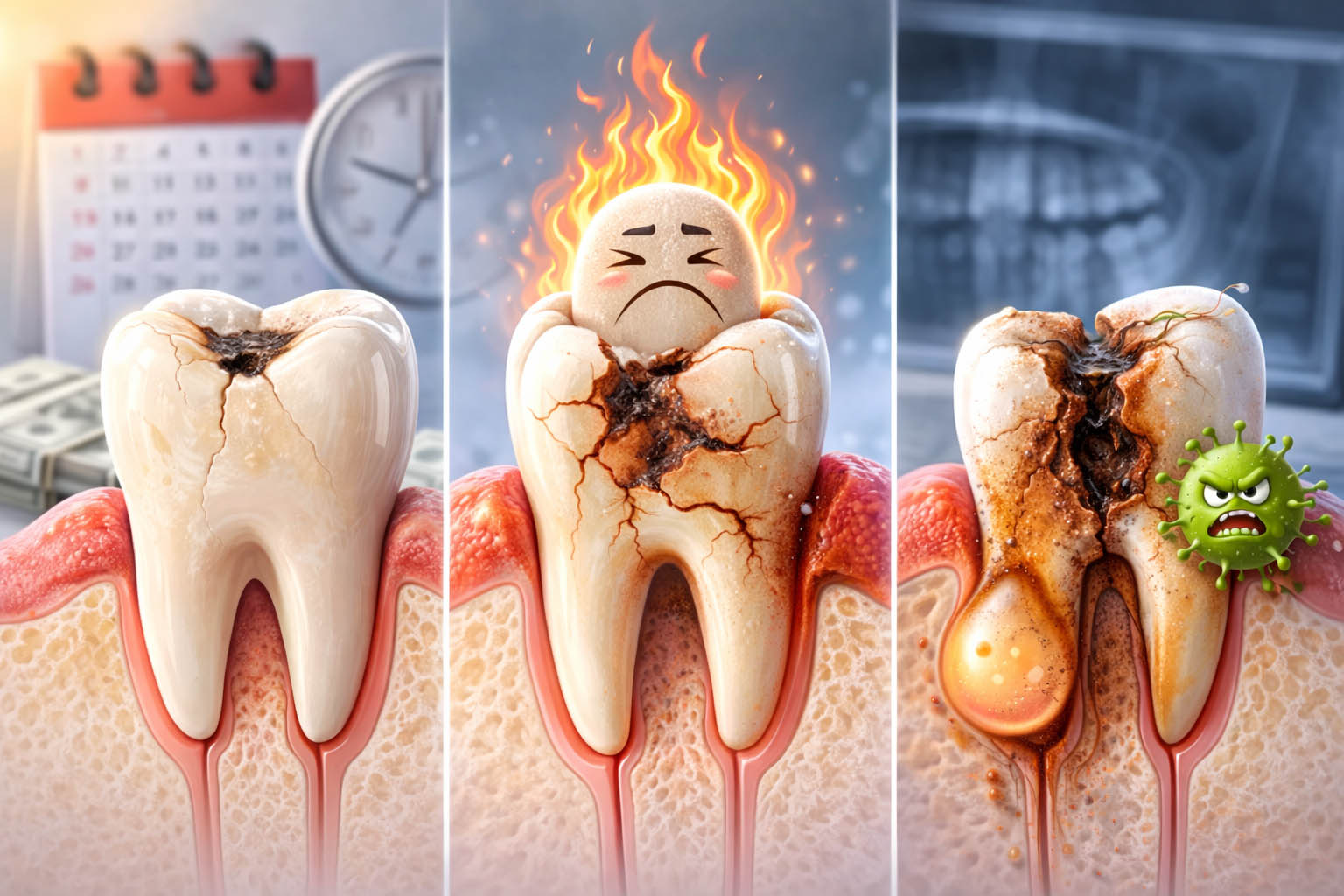
Cosmetic vs. Restorative Dentistry: What’s the Difference?
Many dental treatments can improve the appearance of your smile, restore function, or both. However, patients are often unsure about the difference between cosmetic dentistry and restorative dentistry, and when each type of treatment is appropriate.
While these two areas of dentistry often overlap, they serve different primary purposes. Understanding the distinction can help patients make more informed decisions about their oral health and treatment options.
What is restorative dentistry?
Restorative dentistry focuses on repairing or replacing damaged, decayed, or missing teeth. The primary goal is to restore proper function, strength, and health to the teeth and surrounding structures.1
Common restorative treatments include:
- Dental fillings for cavities
- Dental crowns to protect weakened teeth
- Bridges to replace missing teeth
- Dental implants for long-term tooth replacement
- Root canal therapy to treat infected teeth
These treatments are often medically necessary and are designed to prevent further damage, restore chewing ability, and maintain oral health.
What is cosmetic dentistry?
Cosmetic dentistry focuses primarily on improving the appearance of the teeth and smile. While some cosmetic procedures may also provide functional benefits, their main purpose is aesthetic enhancement.2
Common cosmetic treatments include:
- Teeth whitening
- Dental veneers
- Cosmetic bonding
- Smile reshaping
These treatments can improve the color, shape, alignment, and overall appearance of the teeth.
Where cosmetic and restorative dentistry overlap
In many cases, dental treatments fall into both categories. For example, a crown may be placed to restore a damaged tooth, but it can also improve the tooth’s appearance. Similarly, bonding can repair a chipped tooth while also enhancing its shape and color.
This overlap highlights an important point: the best dental care often combines both function and aesthetics to achieve long-term success.
Why function always comes first
Before focusing on cosmetic improvements, it is important to ensure that the teeth and gums are healthy and stable. Treating underlying issues such as decay, infection, or gum disease is essential before pursuing aesthetic enhancements.
A strong foundation allows cosmetic treatments to last longer and perform more predictably over time.1,3
Ready for a confident, healthy smile?
Located in Santa Ana California
Choosing the right treatment for your needs
The right treatment depends on several factors, including the condition of the teeth, functional concerns, and aesthetic goals. In some cases, a purely restorative approach is needed. In others, cosmetic treatment may be appropriate once oral health has been stabilized.
A comprehensive dental exam allows the dentist to evaluate both the health and appearance of the smile and recommend the most appropriate options.
Examples of treatment decisions
- Small cavity: Typically treated with a filling (restorative)
- Cracked tooth: May require a crown to restore strength (restorative with cosmetic benefit)
- Discolored teeth: May be treated with whitening or veneers (cosmetic)
- Missing tooth: May require an implant or bridge (restorative)
Each situation is unique, and treatment recommendations are based on preserving as much natural tooth structure as possible while restoring function and appearance.
The importance of minimally invasive dentistry
Modern dentistry increasingly emphasizes conservative treatment approaches that preserve natural tooth structure. Whenever possible, less invasive options are considered before more extensive procedures.
This approach helps maintain the long-term strength and integrity of the teeth while still achieving both functional and cosmetic goals.
What this means for patients at OC Dental Center of Santa Ana
At OC Dental Center of Santa Ana, treatment planning focuses on both function and aesthetics. Dr. Pooneh Sabo evaluates each patient’s oral health, structural needs, and cosmetic goals to develop a personalized plan.
By combining restorative and cosmetic principles, patients can achieve results that not only look natural but also support long-term oral health and durability.
References
- Cleveland Clinic. Restorative Dentistry: What It Is, Types & Procedures. Accessed March 2026.
- American Academy of Cosmetic Dentistry. What is Cosmetic Dentistry? Accessed March 2026.
- Mount GJ, Ngo H. Minimal intervention dentistry: a new concept for operative dentistry. Quintessence International. 2000.
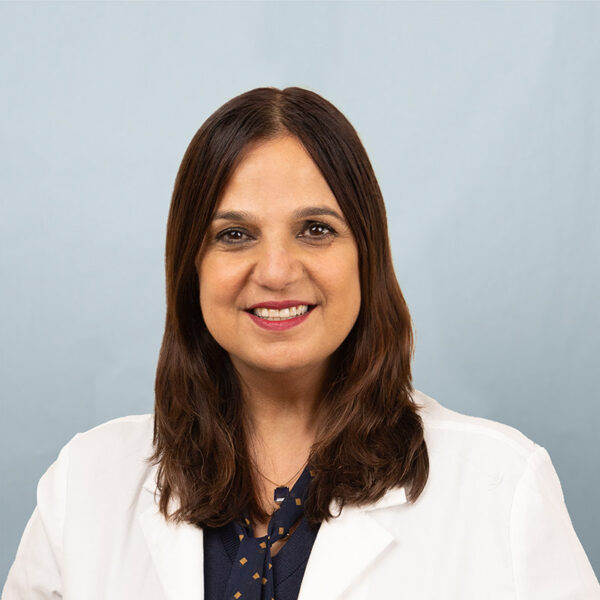
AUTHOR BIO: Dr. Pooneh Sabo D.D.S
Dr. Pooneh Sabo is a comprehensive cosmetic and functional dentist and founder of OC Dental Center in Orange County, California. With over two decades of clinical experience, she specializes in oral care ingredient safety, cosmetic dentistry, whitening technologies, and minimally invasive treatment focused on preserving natural tooth structure and long-term oral health.
