
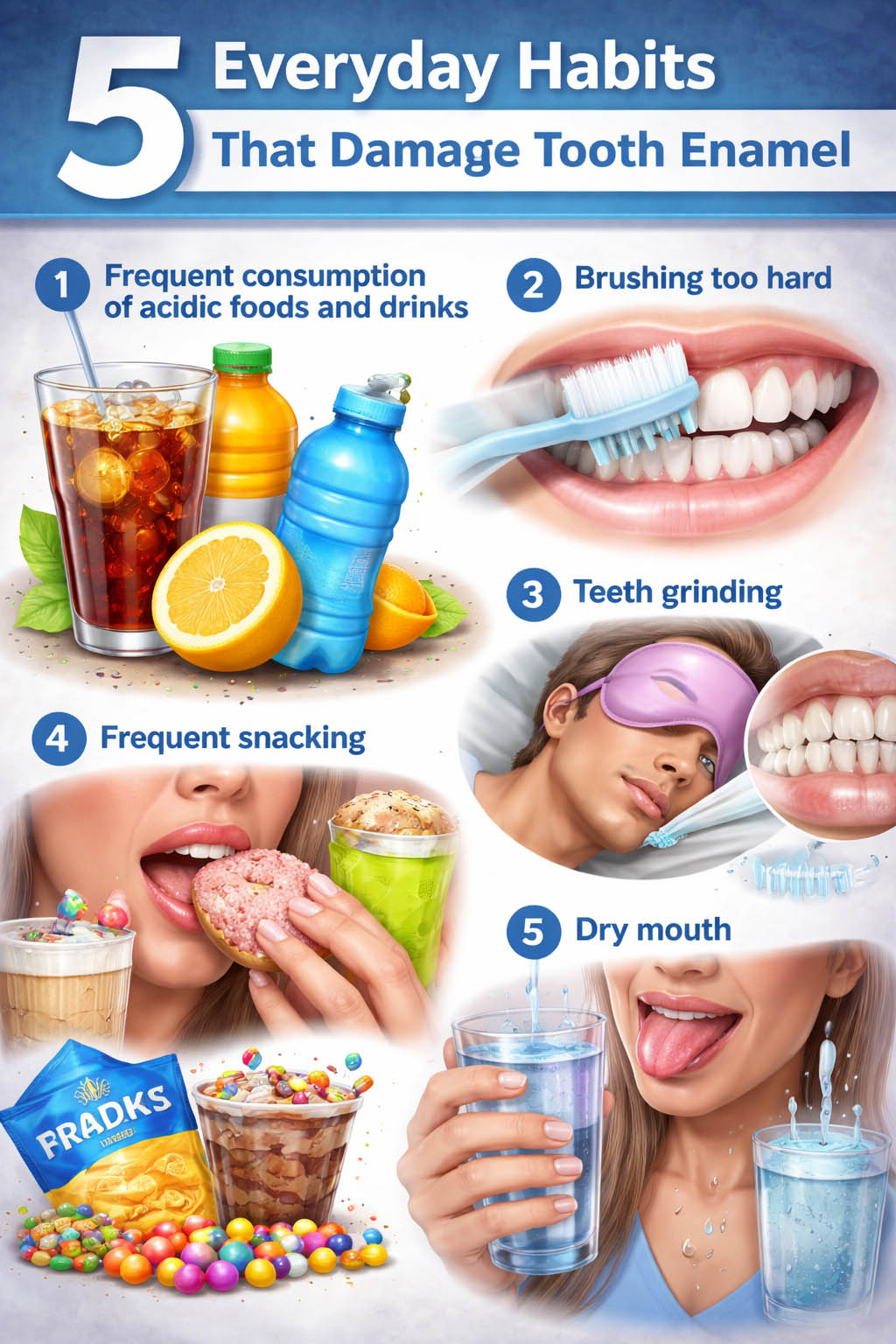
5 Everyday Habits That Damage Tooth Enamel
Tooth enamel is the strongest substance in the human body, but it is not indestructible. Unlike other tissues, enamel cannot regenerate once it is lost. This makes protecting it essential for long-term oral health.
Many patients are unaware that common daily habits can gradually wear down enamel over time. While the effects may not be immediately noticeable, repeated exposure can lead to sensitivity, discoloration, and an increased risk of cavities.1,2
1. Frequent consumption of acidic foods and drinks
Acid is one of the leading causes of enamel erosion. Beverages such as soda, sports drinks, energy drinks, and even citrus juices can lower the pH in the mouth and soften enamel.
When enamel is repeatedly exposed to acid, it can gradually lose minerals and become thinner. Over time, this may lead to sensitivity and increased vulnerability to decay.2,3
2. Brushing too hard or using a hard-bristled toothbrush
Brushing is essential for oral health, but brushing too aggressively can wear away enamel and irritate the gums. Using excessive force or a hard-bristled toothbrush can contribute to abrasion at the gumline and enamel loss over time.2
A soft-bristled toothbrush and gentle technique are recommended to effectively clean teeth without causing damage.
3. Teeth grinding and clenching
Grinding (bruxism) places significant force on the teeth, often without the patient realizing it. This repeated pressure can wear down enamel, flatten tooth surfaces, and contribute to cracks or fractures.4
Over time, untreated grinding can lead to structural damage that may require restorative treatment.
4. Frequent snacking or sipping throughout the day
Frequent eating—especially sugary or acidic foods—keeps the mouth in a more acidic state. This reduces the amount of time saliva has to neutralize acids and support remineralization of enamel.3
Spacing meals and limiting constant snacking can help protect enamel by allowing the mouth to return to a neutral pH.
Ready for a confident, healthy smile?
Located in Santa Ana California
5. Dry mouth (reduced saliva flow)
Saliva plays a critical role in protecting enamel. It helps neutralize acids, wash away food particles, and provide minerals that support enamel repair. When saliva flow is reduced, teeth are more vulnerable to erosion and decay.2,5
Dry mouth may be caused by medications, dehydration, or certain medical conditions.
How to protect your enamel
While enamel loss cannot be reversed, there are steps patients can take to protect what remains:
- Limit acidic and sugary foods and drinks
- Use a soft-bristled toothbrush and gentle brushing technique
- Wear a nightguard if you grind your teeth
- Stay hydrated to support saliva production
- Maintain regular dental visits for early detection
In some cases, dentists may also recommend fluoride treatments or specific oral care products to help strengthen enamel and reduce sensitivity.
Why enamel preservation matters
Enamel plays a critical role in protecting the inner layers of the tooth. Once it becomes thin or damaged, teeth are more likely to develop sensitivity, decay, and structural issues that may require restorative treatment.1
Preserving enamel is one of the most important factors in maintaining long-term oral health and avoiding more extensive dental procedures.
What this means for patients at OC Dental Center of Santa Ana
At OC Dental Center of Santa Ana, preventive care and enamel preservation are key priorities. Dr. Pooneh Sabo focuses on identifying early signs of enamel wear and helping patients adjust habits that may be contributing to damage.
By addressing these factors early, patients can protect their natural teeth, reduce sensitivity, and support long-term oral health.
References
- Featherstone JDB. The science and practice of caries prevention. J Am Dent Assoc. 2000.
- Zero DT. Etiology of dental erosion—extrinsic factors. Eur J Oral Sci. 1996.
- Lussi A, Jaeggi T. Erosion—diagnosis and risk factors. Clin Oral Investig. 2008.
- Lobbezoo F et al. Bruxism defined and graded. J Oral Rehabil. 2013.
- Humphrey SP, Williamson RT. A review of saliva: normal composition and function. J Prosthet Dent. 2001.
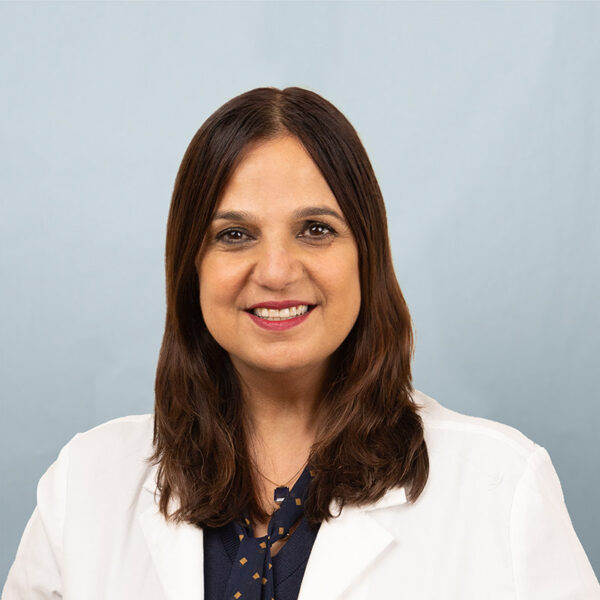
AUTHOR BIO: Dr. Pooneh Sabo D.D.S
Dr. Pooneh Sabo is a comprehensive cosmetic and functional dentist and founder of OC Dental Center in Orange County, California. With over two decades of clinical experience, she specializes in oral care ingredient safety, cosmetic dentistry, whitening technologies, and minimally invasive treatment focused on preserving natural tooth structure and long-term oral health.
